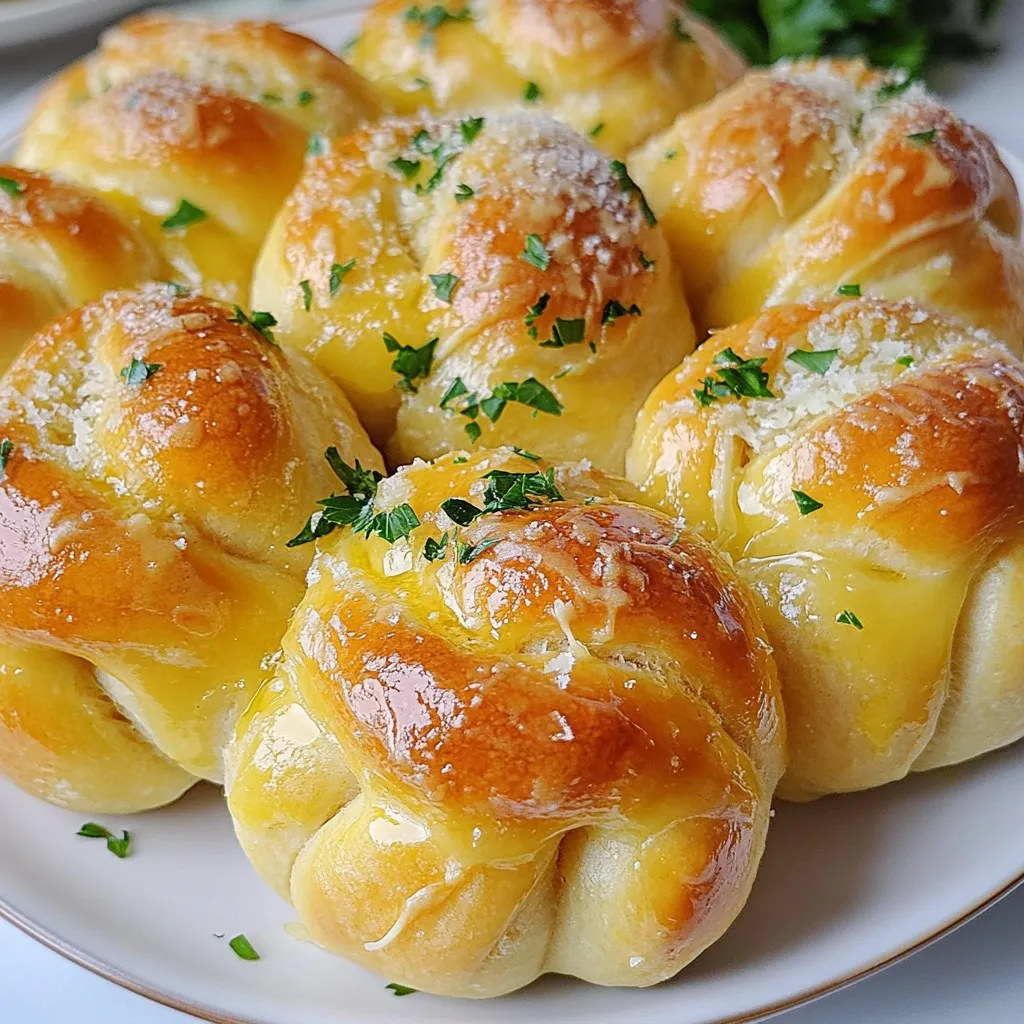
Are you ready to bring a touch of comfort food to your table? These Garlic Parmesan Knotted Rolls are simple to make and delicious to eat. With easy-to-follow steps, you’ll impress your family or guests in no time. From the perfect dough rise to golden-brown rolls, I’ll guide you through every part of the process. Let’s dive into this tasty recipe and savor the flavors together!
Why I Love This Recipe
- Easy to Make: This recipe is straightforward and requires minimal ingredients, making it perfect for bakers of all skill levels.
- Delicious Flavor: The combination of garlic and Parmesan creates a mouthwatering aroma and taste that pairs well with any meal.
- Versatile: These rolls can be served as a side dish, appetizer, or even as a snack on their own.
- Fun to Shape: Tying the dough into knots adds a fun element to baking, and the results are visually appealing and unique.
Ingredients
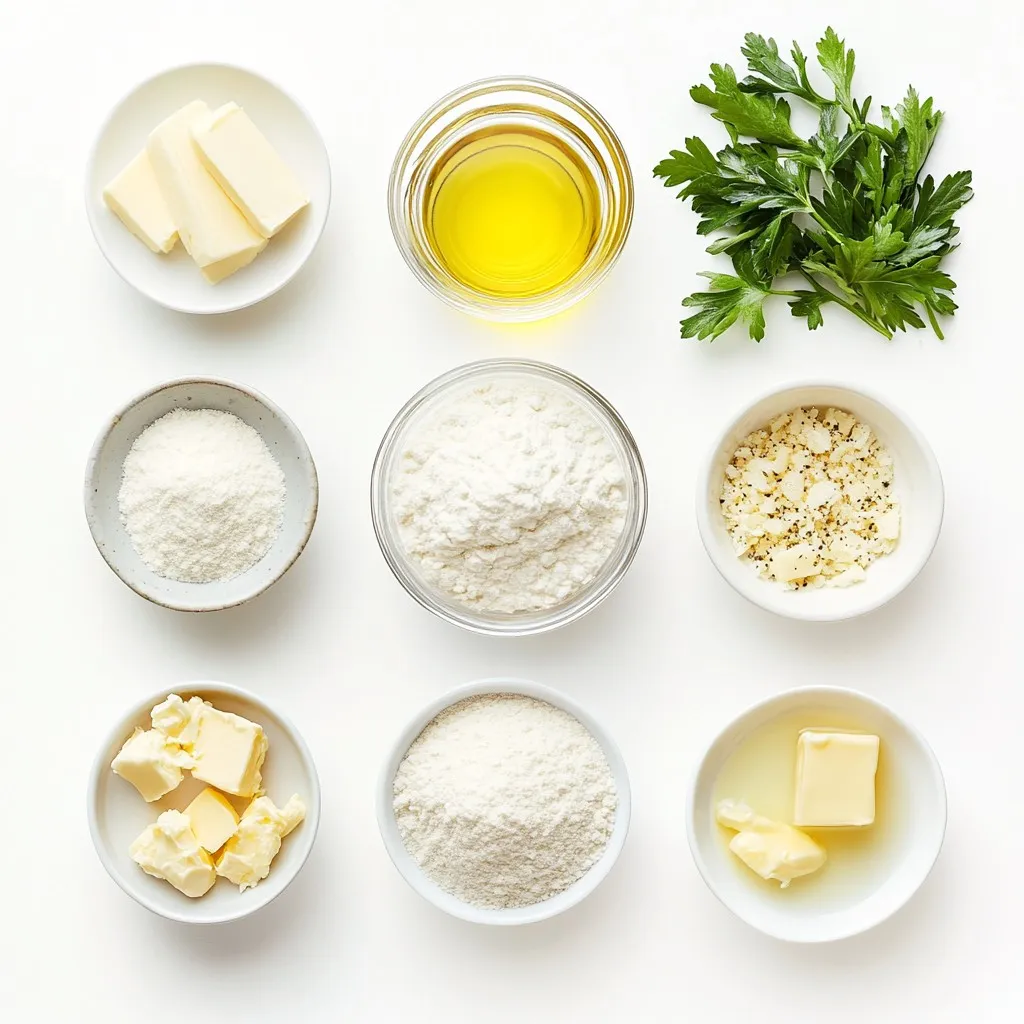
List of Ingredients
– 3 ½ cups all-purpose flour
– 1 packet (2 ¼ teaspoons) instant yeast
– 1 teaspoon salt
– 1 teaspoon sugar
– 1 cup warm water (110°F to 115°F)
– 2 tablespoons olive oil
– 4 tablespoons unsalted butter, melted
– 3 tablespoons minced garlic
– ½ cup grated Parmesan cheese
– 2 teaspoons Italian seasoning
– Fresh parsley, chopped (for garnish)
For dietary needs, you can swap all-purpose flour with gluten-free flour. Also, use dairy-free butter if needed. I suggest storing your flour and yeast in a cool, dry place. Keep garlic in a dark, cool spot to keep it fresh. You can freeze extra Parmesan cheese in an airtight container for later use.
Step-by-Step Instructions
Preparation of Dough
1. Mix yeast and warm water: Start by adding 1 cup of warm water to a large bowl. The water should be between 110°F to 115°F. Then, sprinkle in 1 teaspoon of sugar and 2 ¼ teaspoons of instant yeast. Let this mix sit for about 5 minutes. You want it to look frothy. This shows the yeast is active.
2. Combining wet and dry ingredients: Next, add 2 tablespoons of olive oil and 1 teaspoon of salt to the yeast mixture. Gradually stir in 3 ½ cups of all-purpose flour. Mix until you see a dough start to form.
3. Kneading technique and tips: Flour your surface lightly. Place the dough on it. Knead for about 5–7 minutes. You want the dough to be smooth and elastic. If it feels too sticky, add a little more flour.
Rising Process
1. How to properly cover and store the dough for rising: Once kneaded, place the dough in a greased bowl. Cover it with a clean kitchen towel. This keeps moisture in while it rises.
2. Time to let the dough rise: Let the dough rise in a warm spot for about 1 hour. It should double in size during this time.
3. Signs that dough has risen correctly: When ready, the dough should feel puffy and airy. You can gently poke it. If it springs back slowly, it’s ready to shape.
Shaping and Baking
1. Steps to create knotted rolls: After the dough has risen, punch it down. Divide it into 12 equal pieces. Roll each piece into a long rope. Tie the rope into a knot, tucking the ends underneath.
2. Proper baking temperature and time: Preheat your oven to 375°F (190°C). Place the rolls on a parchment-lined baking sheet.
3. Tips for achieving a golden brown color: Bake the rolls for 18–20 minutes. Keep an eye on them. They should turn a nice golden brown. For extra flavor, brush them with melted garlic butter right after baking.
Tips & Tricks
Success Tips
– Ensuring the perfect rise: To help your dough rise well, keep it in a warm spot. A good place is near a warm oven or on top of the fridge. Cover it with a clean towel to keep it warm and moist.
– Best practices for kneading dough: Knead your dough for about 5-7 minutes. Use the heel of your hand to push the dough down and away. Fold it over, turn it, and repeat. This helps build gluten for a soft roll.
– Adjustments for different altitudes or climates: If you live at a high altitude, you may need less yeast. Add only 1 ¾ teaspoons instead of 2 ¼ teaspoons. Also, watch the dough closely. It might rise faster due to lower air pressure.
Flavor Enhancements
– Additional spices to consider: Add a pinch of red pepper flakes for a kick. You can also use rosemary or thyme for extra flavor. Fresh herbs work great!
– How to make rolls more cheesy: Mix in more Parmesan cheese into the dough. You can also sprinkle some inside the knots before baking. This gives a nice cheesy surprise!
– Options for dipping sauces: Serve these rolls with warm marinara or garlic butter for dipping. You can also try a ranch dressing or a spicy aioli.
Pro Tips
- Use Fresh Garlic: Freshly minced garlic delivers the best flavor. Avoid pre-minced garlic for a more vibrant taste.
- Don’t Skip the Rise: Allowing the dough to rise properly is crucial for fluffy rolls. Be patient and let it double in size.
- Experiment with Cheese: While Parmesan is classic, feel free to mix in other cheeses like mozzarella or cheddar for added flavor.
- Perfect Baking Temperature: Make sure your oven is fully preheated to ensure even cooking and a golden crust.
Variations
Ingredient Variations
You can easily change up the ingredients in Garlic Parmesan Knotted Rolls. If you want gluten-free rolls, swap all-purpose flour for a gluten-free blend. Many blends work well. Just check the package for the right amount.
Adding herbs or vegetables can boost flavor. Consider mixing in chopped spinach, sun-dried tomatoes, or even roasted garlic. Fresh herbs like rosemary or thyme also add a nice touch.
When it comes to cheese, feel free to experiment. Try mozzarella for a stretchier roll. Feta or goat cheese can add a tangy kick. Each cheese brings its own unique flavor.
Serving Suggestions
Garlic Parmesan Knotted Rolls pair well with many meals. Serve them alongside soups or salads for a comforting touch. They also work great with pasta dishes. You can even use them to soak up sauces.
To serve as appetizers, arrange the rolls on a platter. You can include different dipping sauces, like marinara or a herby olive oil. This makes them fun and interactive for guests.
For gourmet toppings, consider drizzling balsamic glaze over the rolls. You can also sprinkle extra cheese or fresh herbs on top. This adds a touch of elegance to your meal.
Storage Info
Storing Leftovers
To keep your garlic Parmesan knotted rolls fresh, the fridge is your best friend. Wrap each roll in plastic wrap or place them in an airtight container. This keeps them soft and tasty. You can store them for up to three days in the fridge.
If you want to keep them longer, freezing is a great option. Place the rolls in a freezer-safe bag. Make sure to squeeze out as much air as you can. They will last for up to three months in the freezer.
When you’re ready to eat, let them thaw overnight in the fridge. To reheat, you have a few choices. You can warm them in the oven at 350°F (175°C) for about 10 minutes. This keeps them crispy on the outside. You can also microwave them for about 20-30 seconds if you’re in a hurry. However, be careful not to overheat them, or they might get tough.
Shelf Life
Garlic Parmesan knotted rolls stay fresh in the fridge for about three days. After that, they may start to lose their flavor and texture. If you see any mold or if they smell bad, it’s best to toss them. Always trust your senses when checking for spoilage.
FAQs
Common Questions
How can I make Garlic Parmesan Knotted Rolls ahead of time?
You can prepare the dough ahead of time. After kneading, cover it and place it in the fridge. The cold will slow down the rise. When you are ready to bake, let the dough come to room temperature before shaping. This helps the rolls rise nicely.
Can I use active dry yeast instead of instant yeast?
Yes, you can use active dry yeast. Just remember to bloom it first. Mix it with warm water and sugar. Let it sit for about 5 to 10 minutes until it foams. Then, add it to your other ingredients.
What’s the best way to reheat the rolls?
To reheat your rolls, wrap them in aluminum foil. Place them in a preheated oven at 350°F (175°C) for about 10 to 15 minutes. This keeps them soft and warm. You can also microwave them for 10-15 seconds if you want a quick option.
Troubleshooting Questions
Why are my rolls too dense?
Dense rolls often mean the dough did not rise enough. Ensure your yeast is fresh and active. Also, make sure your water is the right temperature. If it’s too hot, it can kill the yeast.
How do I know if my dough has risen enough?
The dough should double in size. To check, gently poke it. If the indent remains, it’s ready. If it springs back, it needs more time to rise.
What can I do if my rolls are too salty?
If your rolls taste too salty, try serving them with a sweet dip. Honey or a sweet butter can balance the flavor. Next time, cut back on the salt in the dough.
Making Garlic Parmesan Knotted Rolls is simple and fun. We covered all the key steps, from gathering the right ingredients to the baking process. You can customize your rolls with different flavors and ingredients. Don’t forget to store leftovers properly to enjoy them later. With practice and the tips shared, you’ll create delicious rolls every time. Enjoy your baking journey, and remember, the more you practice, the better your rolls will be! For any questions, refer back to the FAQs for quick hel