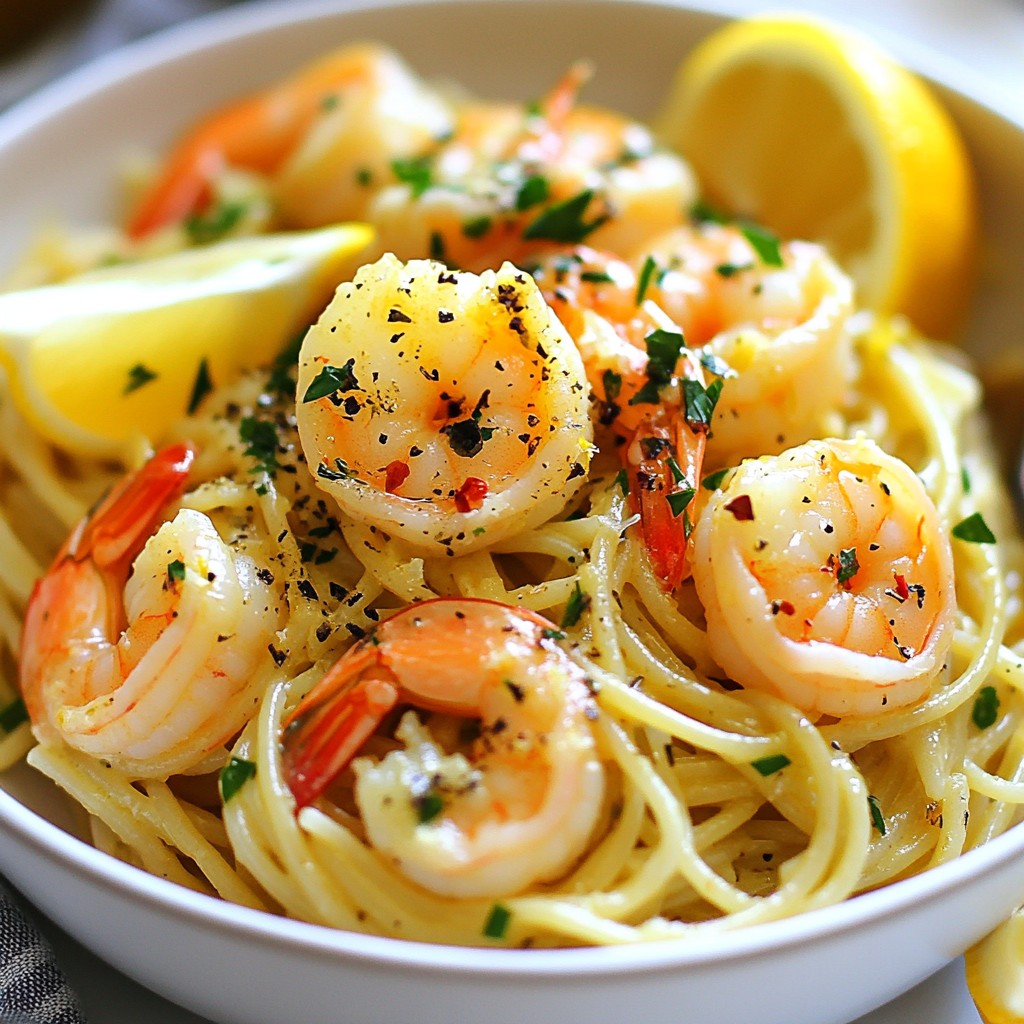
Ready for a meal that bursts with flavor without taking all day? My Lemon Garlic Shrimp Pasta is the perfect quick dish for busy nights. With tender shrimp, zesty lemon, and garlic, every bite is a delight. Plus, it’s super easy to make! Whether you're an expert cook or just starting out, you’ll impress yourself at the dinner table. Let’s dive into this tasty recipe!
Why I Love This Recipe
- Quick and Easy: This recipe comes together in just 30 minutes, making it perfect for busy weeknights or last-minute dinners.
- Fresh Flavors: The bright lemon and aromatic garlic combine beautifully with the shrimp, creating a dish that is both refreshing and satisfying.
- Customizable: You can easily adapt this recipe by adding your favorite vegetables or adjusting the spice level to suit your taste.
- Impressive Presentation: With its vibrant colors and garnishes, this dish is sure to impress guests at your next dinner party.
Ingredients
Main Ingredients
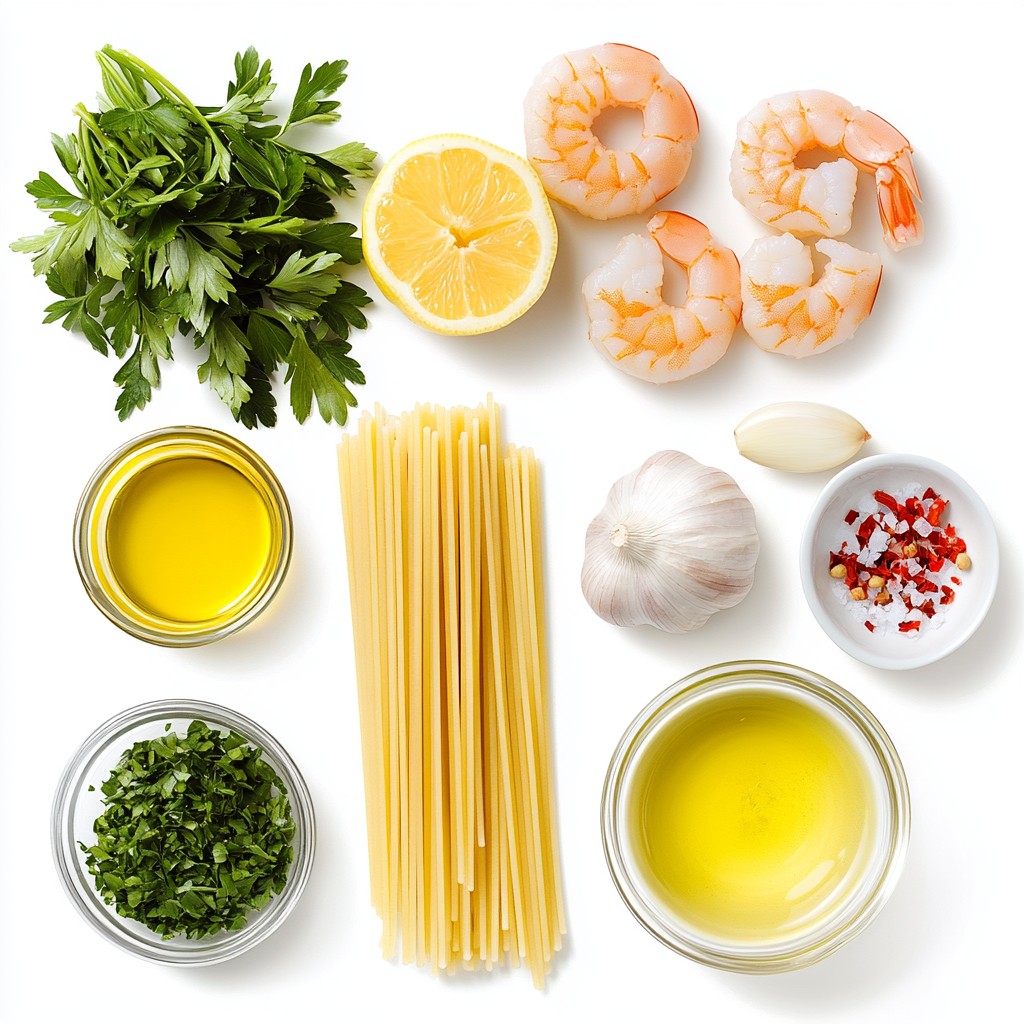
- 8 oz spaghetti or linguine
- 1 lb medium shrimp, peeled and deveined
- 4 cloves garlic, minced
For this dish, I love using spaghetti or linguine. Both types of pasta hold the sauce well. The medium shrimp should be peeled and deveined for a clean bite. Fresh garlic adds a strong flavor that is key to this recipe.
Flavor Enhancers
- 1/4 cup olive oil
- 1 tablespoon lemon zest
- 1/4 cup fresh lemon juice
- 1/2 teaspoon red pepper flakes (optional)
Olive oil is the base of the sauce. It helps to sauté the garlic and shrimp. The lemon zest and juice add a bright taste that lifts the dish. Red pepper flakes give a bit of heat, but you can skip them if you prefer a milder flavor.
Garnishes and Optional Ingredients
- 1/4 cup fresh parsley, chopped
- Salt and pepper to taste
- Grated Parmesan cheese for serving (optional)
Fresh parsley brings color and freshness to the plate. I always add salt and pepper to enhance the flavors. Grated Parmesan is a great finishing touch, but it’s optional if you want to keep it lighter.
Step-by-Step Instructions
Preparing the Pasta
1. Cooking spaghetti or linguine: Start with a large pot. Fill it with water, add salt, and bring it to a boil. Once boiling, add 8 oz of spaghetti or linguine. Cook until it's al dente. This usually takes about 8 to 10 minutes. Check the package for exact times.
2. Reserving pasta water: Before you drain the pasta, save 1 cup of the pasta water. This water is full of starch. It helps make the sauce creamy and helps the pasta cling to the shrimp.
Cooking the Shrimp
1. Sautéing garlic: Grab a large skillet. Set it on medium heat and add 1/4 cup of olive oil. Once the oil is hot, add 4 cloves of minced garlic. Sauté it for about 30 seconds. You want it to smell great but not brown.
2. Adding shrimp and seasoning: Now, toss in 1 lb of medium shrimp. Season them with salt, pepper, and red pepper flakes if you like spice. Cook for 2 to 3 minutes. Turn the shrimp occasionally. They are done when they turn pink and opaque.
Combining and Finishing
1. Mixing lemon zest and juice: After the shrimp is cooked, stir in 1 tablespoon of lemon zest and 1/4 cup of fresh lemon juice. Let it cook for another minute. This adds a bright flavor.
2. Adjusting pasta consistency: Add the drained pasta to the skillet. Pour in a splash of the reserved pasta water. Toss everything together well. If the pasta looks dry, add a bit more pasta water until it looks good.
3. Final touches and serving: Stir in 1/4 cup of chopped fresh parsley. Check the seasoning and adjust if needed. Plate the pasta in bowls. If you want, sprinkle with grated Parmesan cheese. Enjoy your meal!
Tips & Tricks
Perfecting the Dish
Tips for cooking shrimp Cooking shrimp is quick. Use medium heat for best results. Sauté shrimp in olive oil, cooking for 2-3 minutes. They should turn pink and opaque. Overcooking makes shrimp tough. Remove them from heat as soon as they look done.
How to avoid overcooking pasta Pasta should be al dente, which means firm to the bite. Follow package instructions for cooking time. Always taste the pasta a minute before the time is up. Remember to reserve some pasta water before draining. This water helps adjust the sauce later.
Flavor Enhancements
Suggested herbs and spices To boost flavor, add fresh herbs. Basil and thyme pair well with shrimp. You can also use oregano for a different taste. Red pepper flakes add heat, but use them sparingly. Always taste as you go.
Using homemade lemon garlic sauce For a fresh sauce, mix lemon juice, zest, and minced garlic. This combo brightens the dish. You can also add a splash of white wine for extra flavor. Make sure to sauté the garlic just until fragrant, about 30 seconds.
Presentation Ideas
Plating suggestions For a beautiful plate, twirl the pasta in the center. Arrange shrimp on top. Add a sprinkle of fresh parsley for color. A lemon wedge on the side adds a nice touch.
Serving with sides Serve the dish with crusty bread. It’s great for soaking up the sauce. A simple green salad pairs well too. This balance adds freshness to your meal.
Pro Tips
- Fresh Ingredients Matter: Always opt for fresh shrimp and parsley to enhance the flavor of your dish. Frozen shrimp can work in a pinch, but fresh is always best!
- Don’t Overcook the Shrimp: Shrimp cooks quickly; watch for the color change. Once they turn pink and opaque, they’re done to avoid a rubbery texture.
- Reserve Pasta Water: The starchy pasta water is your secret weapon for achieving a perfect sauce consistency. Use it to adjust the thickness of the sauce as needed.
- Perfect Lemon Zest: Use a microplane to zest your lemon for a fine texture. This releases more oils and flavor, giving your dish a bright and zesty kick!
Variations
Ingredient Substitutions
For pasta types, you can swap spaghetti or linguine with other options. Try penne or fettuccine for a different shape. Zucchini noodles create a low-carb dish. Quinoa pasta is another gluten-free choice.
If you want to change the protein, shrimp isn’t your only option. Chicken breast or scallops work great, too. Tofu can replace shrimp for a plant-based meal.
Dietary Modifications
For gluten-free options, use gluten-free pasta. Many brands offer rice or corn-based pasta. This keeps your dish tasty and safe for those with gluten sensitivities.
To make a low-calorie meal, cut the olive oil in half. Use less cheese or skip it altogether. You can also add more veggies to make the dish filling without adding lots of calories.
Flavor Variations
Adding seasonal vegetables can enhance the meal. Try spinach, cherry tomatoes, or bell peppers. They add color and nutrients. Just sauté them with garlic before adding shrimp.
Switching up the citrus can also change the flavor. Use lime juice for a zesty twist. Orange zest can add a sweet touch. Each option creates a unique taste experience.
Storage Info
Storing Leftovers
To keep your Lemon Garlic Shrimp Pasta fresh, store it in an airtight container. Refrigerate it right after it cools. This helps preserve flavor and texture. Leftovers last for about three days in the fridge.
Reheating Suggestions
When you're ready to eat your leftovers, reheating correctly is key. The best method is to use a skillet over medium heat. Add a splash of water or olive oil to keep it moist. Stir often to prevent sticking. This helps maintain the dish's vibrant flavors.
Freezing the Dish
Yes, you can freeze Lemon Garlic Shrimp Pasta! Place it in a freezer-safe container. Make sure to leave some space for expansion. It can last for up to three months in the freezer.
To thaw, move it to the fridge overnight. Reheat using a skillet, adding a bit of water or oil as needed. This keeps the pasta tasty and prevents it from drying out.
FAQs
Common User Questions
How to make shrimp pasta without it getting rubbery? To keep shrimp tender, don't overcook it. Cook shrimp until it turns pink and opaque. This usually takes about 2-3 minutes. Remove it from heat as soon as it's done.
Can this dish be made in advance? You can prepare the pasta and shrimp separately. Store them in the fridge for up to two days. When ready to eat, just heat them together. Add a splash of lemon juice to refresh the flavor.
Ingredients Questions
Can I use frozen shrimp instead of fresh? Yes, frozen shrimp works well. Just thaw it before cooking. You can run cold water over it to speed up the process. Make sure to pat it dry before adding it to the pan.
Is whole wheat pasta a good alternative? Whole wheat pasta is a healthy choice. It adds more fiber and nutrients. The texture is different, but it pairs nicely with the lemon and garlic flavors.
Cooking Technique Questions
How do you know when shrimp is cooked? Shrimp is cooked when it turns pink and curls slightly. If it looks gray or feels soft, it needs more time. Use a thermometer; the internal temperature should reach 120°F.
What type of garlic is best for this dish? Fresh garlic is best for this recipe. It gives a strong, rich flavor. Use minced garlic for the best taste. Avoid garlic powder, as it won't have the same impact.
This blog post covered how to make a delicious Lemon Garlic Shrimp Pasta. You learned about the key ingredients like shrimp, pasta, and garlic. I shared step-by-step instructions for cooking and combining flavors. We explored helpful tips for perfecting the dish and ways to customize it. Lastly, I provided storage info and answered common questions.
Enjoy crafting your own version of this dish. With simple tweaks, it can suit any taste.