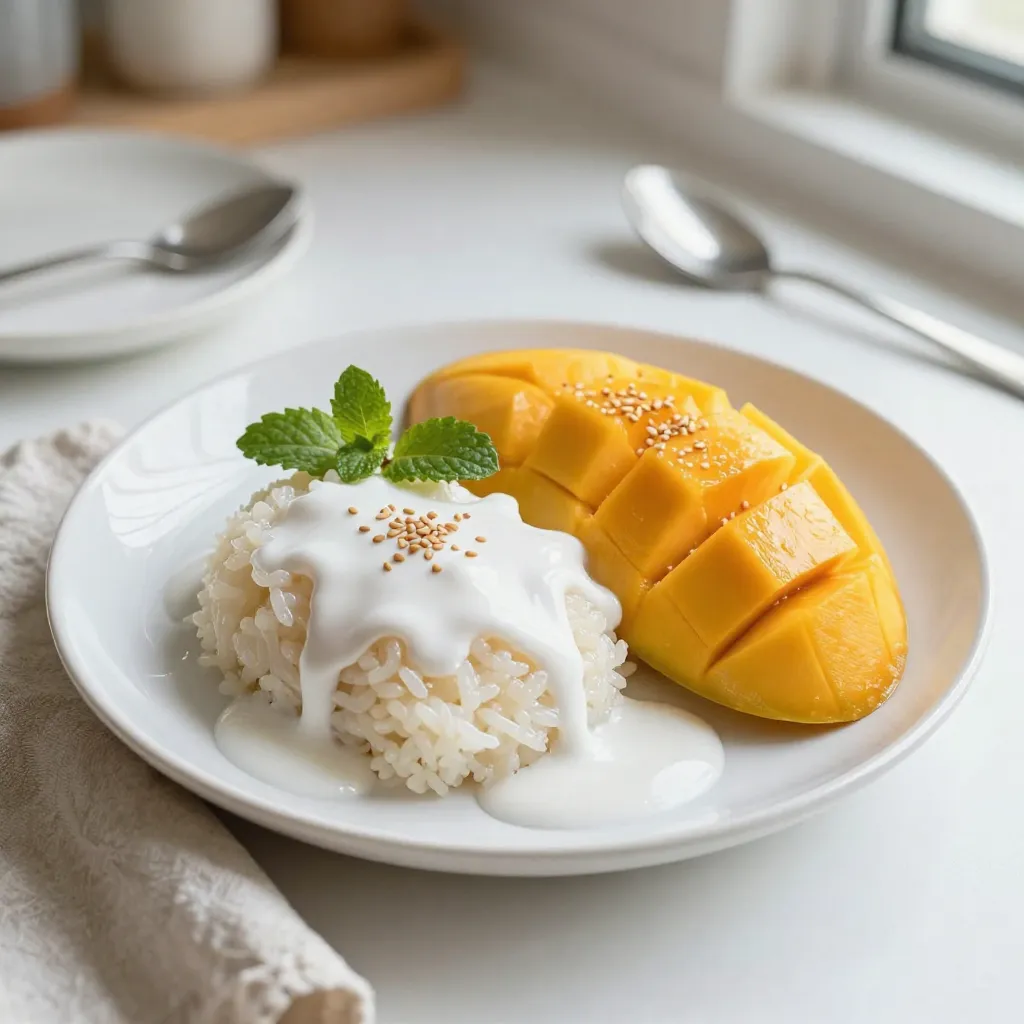
Are you ready to treat yourself to a delightful dessert? Thai Mango Sticky Rice is a sweet, creamy treat that’s easy to make at home. In this guide, I’ll share a simple recipe, tips for selecting the best mangoes, and ways to avoid common mistakes. Whether you’re new to Thai cooking or just love good food, this dessert will impress everyone. Let’s dive into the tasty world of Thai Mango Sticky Rice!
Why I Love This Recipe
- Deliciously Sweet: The combination of ripe mangoes and creamy coconut sauce creates a delightful explosion of tropical flavors that are hard to resist.
- Easy to Make: With simple ingredients and straightforward steps, this dish is perfect for both beginners and experienced cooks alike.
- Perfect for Any Occasion: Whether it’s a casual family dinner or a festive gathering, this dessert is sure to impress your guests.
- Customizable: You can easily adjust the sweetness of the coconut sauce or add other toppings, making it a versatile treat for everyone.
Ingredients
Essential Ingredients for Thai Mango Sticky Rice
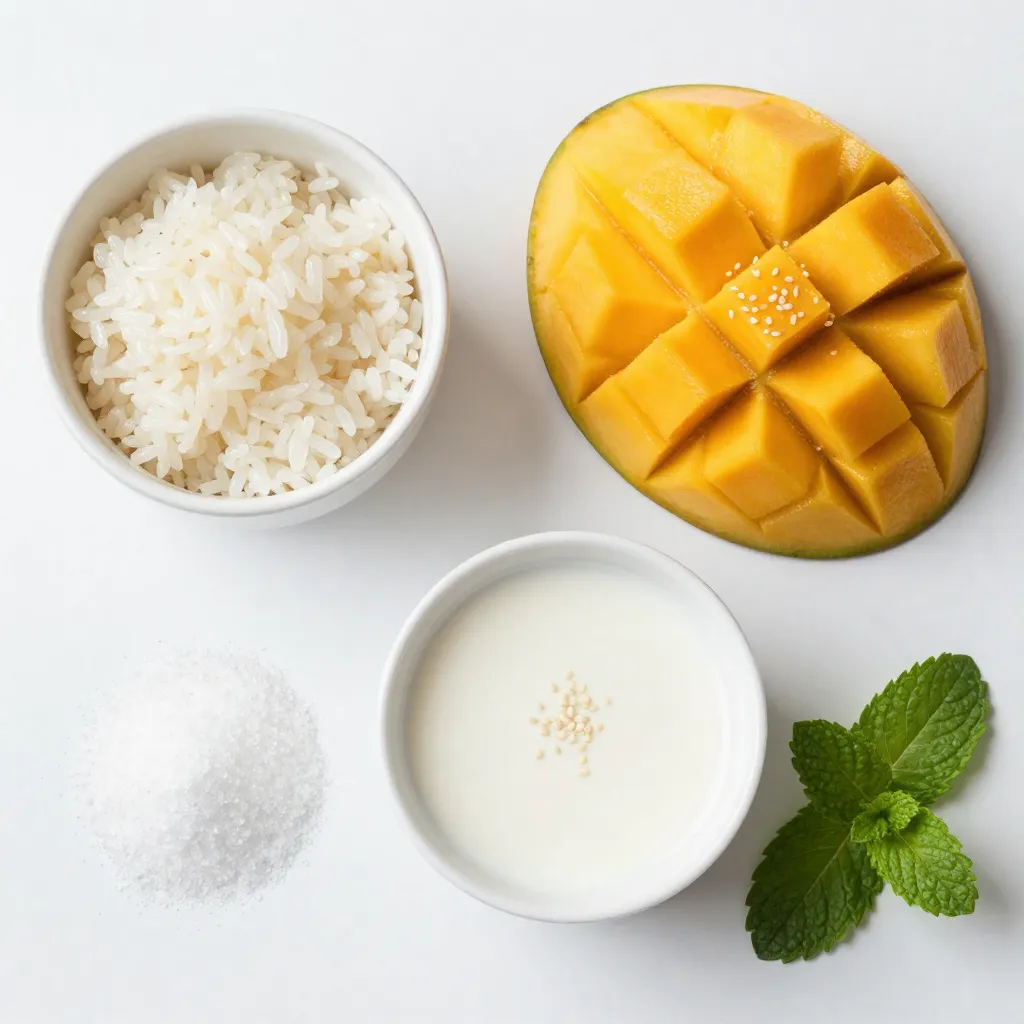
To make Thai mango sticky rice, you need a few key ingredients. Here’s what you need:
– 1 cup sticky (glutinous) rice
– 1 and 1/2 cups coconut milk
– 1/2 cup sugar
– 1/4 teaspoon salt
– 2 ripe mangoes, peeled and sliced
– 1 tablespoon sesame seeds (optional, for garnish)
– Fresh mint leaves (optional, for garnish)
These ingredients come together to create the sweet, creamy flavor of this dish.
Ingredient Substitutes
Don’t have every ingredient? No problem! Here are some substitutes you can use:
– Sticky rice: You can use jasmine rice if needed, though the texture will change.
– Coconut milk: Almond milk or soy milk can work, but they will change the flavor.
– Sugar: You can swap sugar for honey or maple syrup for a different taste.
These swaps may alter the dish’s flavor, but they can still taste great.
Tips for Selecting High-Quality Mangoes
Picking the right mango is key. Here are some tips:
– Look for mangoes that are slightly soft when you press them. This shows they are ripe.
– Check for a sweet aroma at the stem end. This means they are ready to eat.
– Choose mangoes with a vibrant color. They should have a nice mix of yellow and red.
Using ripe mangoes will make your dish taste fresh and sweet.
Step-by-Step Instructions
Prepping the Sticky Rice
First, rinse 1 cup of sticky rice under cold water. Keep rinsing until the water runs clear. This step helps remove excess starch. Next, soak the rice in water for at least 4 hours. If you can, soak it overnight. Soaking softens the rice and makes it chewy.
Cooking the Rice to Perfection
After soaking, drain the rice well. Now, steam the rice using a bamboo basket or a steamer lined with cheesecloth. Cook it for about 25 to 30 minutes. Check for tenderness and a translucent look. This is when the rice is ready to mix with the sauce.
Preparing the Coconut Sauce
While the rice cooks, grab a saucepan. Combine 1 and 1/2 cups of coconut milk, 1/2 cup of sugar, and 1/4 teaspoon of salt. Cook over medium heat and stir until the sugar dissolves. Make sure not to let it boil. Reserve 1/3 cup of this sauce for drizzling later. You will mix the rest into the cooked rice.
Tips & Tricks
Common Mistakes to Avoid
When making Thai mango sticky rice, be careful with the rice. Always soak the sticky rice for at least four hours. If you skip this step, the rice will not cook well. Another mistake is not measuring the coconut milk. Too much coconut milk can make the dish too soggy. Also, avoid boiling the coconut sauce. Boiling can ruin its creamy texture.
Best Practices for Serving and Presentation
To serve, shape the sticky rice into small mounds. This makes it look nice and neat. Place the sliced mango beside the rice for a colorful contrast. Drizzle the reserved coconut sauce over the top. This adds taste and makes the dish shine. You can sprinkle sesame seeds too. Fresh mint leaves add a pop of green and a fresh scent.
How to Make Ahead for Special Occasions
You can prepare the sticky rice and coconut sauce a day before. Just store them in separate containers in the fridge. When ready to serve, steam the rice to warm it up. Reheat the coconut sauce in a pan over low heat. This way, you can enjoy fresh mango sticky rice without the last-minute rush!
Pro Tips
- Tip Title: Soaking Time Matters: The longer you soak the sticky rice, the better the texture will be. Soaking overnight is ideal for achieving that perfect chewiness.
- Tip Title: Coconut Sauce Consistency: Ensure the coconut sauce does not boil while cooking. A gentle heat helps to maintain a creamy texture without curdling.
- Tip Title: Mango Selection: Choose ripe, sweet mangoes for the best flavor. Varieties like Ataulfo or Haden are excellent choices for this dessert.
- Tip Title: Presentation is Key: For an elegant presentation, use a small cup or mold to shape the sticky rice before placing it on the plate, and use fresh mint leaves for a pop of color.
Variations
Vegan and Dairy-Free Adaptations
You can easily make mango sticky rice vegan. Use coconut milk, which is already dairy-free. The rest of the recipe works well without changes. If you want a richer flavor, use full-fat coconut milk. It makes the dish creamy and delicious. You can also swap sugar for maple syrup or agave nectar. This keeps it sweet and plant-based.
Creative Twists on Traditional Mango Sticky Rice
Feel free to get creative with your mango sticky rice. Try adding a splash of lime juice for extra zest. You can mix in a bit of pandan extract for a unique taste. Some people love to add a layer of mango puree on top. This adds color and more mango flavor. Another fun idea is to sprinkle on toasted coconut flakes. They add a nice crunch and extra tropical flair.
Using Different Fruits
Mango is great, but other fruits work well, too. Try ripe bananas or sweet peaches for a twist. You can even mix multiple fruits for a colorful dish. Pineapple offers a tangy taste, while berries add a pop of color. Just slice them up and serve alongside the sticky rice. The key is to pick fruits that balance the sweetness of the coconut sauce. This way, you keep that delightful flavor while exploring new textures and tastes.
Storage Info
How to Store Leftovers
To store leftover Thai mango sticky rice, place it in an airtight container. Make sure to cool it to room temperature first. You can keep it in the fridge for up to three days. If you want to enjoy it later, it’s best to store the mango slices separately. This way, they stay fresh and do not affect the rice.
Reheating Instructions
When you want to eat your leftover sticky rice, take it out of the fridge. You can reheat it in the microwave. Cover the rice with a damp paper towel to keep it moist. Heat it in short bursts of 30 seconds until warm. If using a steamer, add a little coconut milk to help it stay soft.
Shelf Life of Ingredients
Here’s how long your main ingredients will last:
– Sticky rice: It can last in a cool, dry place for up to a year.
– Coconut milk: Unopened cans can last for about 2-5 years. Once opened, use it within 5-7 days if stored in the fridge.
– Sugar: It lasts indefinitely when stored properly. Keep it in a sealed container.
– Salt: Like sugar, it can last forever when kept dry.
– Mangoes: Fresh mangoes last about 1-2 days at room temperature. In the fridge, they can last up to a week.
Knowing how to store and reheat your Thai mango sticky rice will help you enjoy its deliciousness for days!
FAQs
What type of rice is used for Mango Sticky Rice?
You need sticky rice, also called glutinous rice. This rice is different from regular rice. It has a high starch content that helps it become chewy and sticky when cooked. This texture is what makes the dish so delightful. You can find sticky rice in Asian grocery stores or online.
Can I use canned coconut milk?
Yes, you can use canned coconut milk. It adds rich flavor to the dish. Just make sure to choose a good brand that is creamy and thick. Shake the can well before opening it. This helps mix the coconut cream with the milk for a smooth sauce.
Is Thai Mango Sticky Rice gluten-free?
Yes, Thai Mango Sticky Rice is gluten-free. The main ingredients are rice, coconut milk, and mangoes. These do not contain gluten. This makes it a great choice for people with gluten sensitivities.
How can I serve Thai Mango Sticky Rice?
You can serve Thai Mango Sticky Rice in a few simple ways. First, shape the sticky rice into small mounds. Place the cooked rice on individual plates. Next, fan out the sliced mangoes beside the rice. Finally, drizzle some reserved coconut sauce over everything. Add sesame seeds and fresh mint leaves for garnish. This makes your dish look beautiful and inviting!
In this article, we explored the key ingredients for Thai mango sticky rice. We discussed how to prep and cook the rice, and made a tasty coconut sauce. I shared tips on common mistakes and how to serve your dish well. We also looked at vegan options and creative variations with different fruits. Remember, choosing the right mango is key! With these steps and tips, you can enjoy this delightful treat anytime. Enjoy your cooking and impress your friends with your new skill