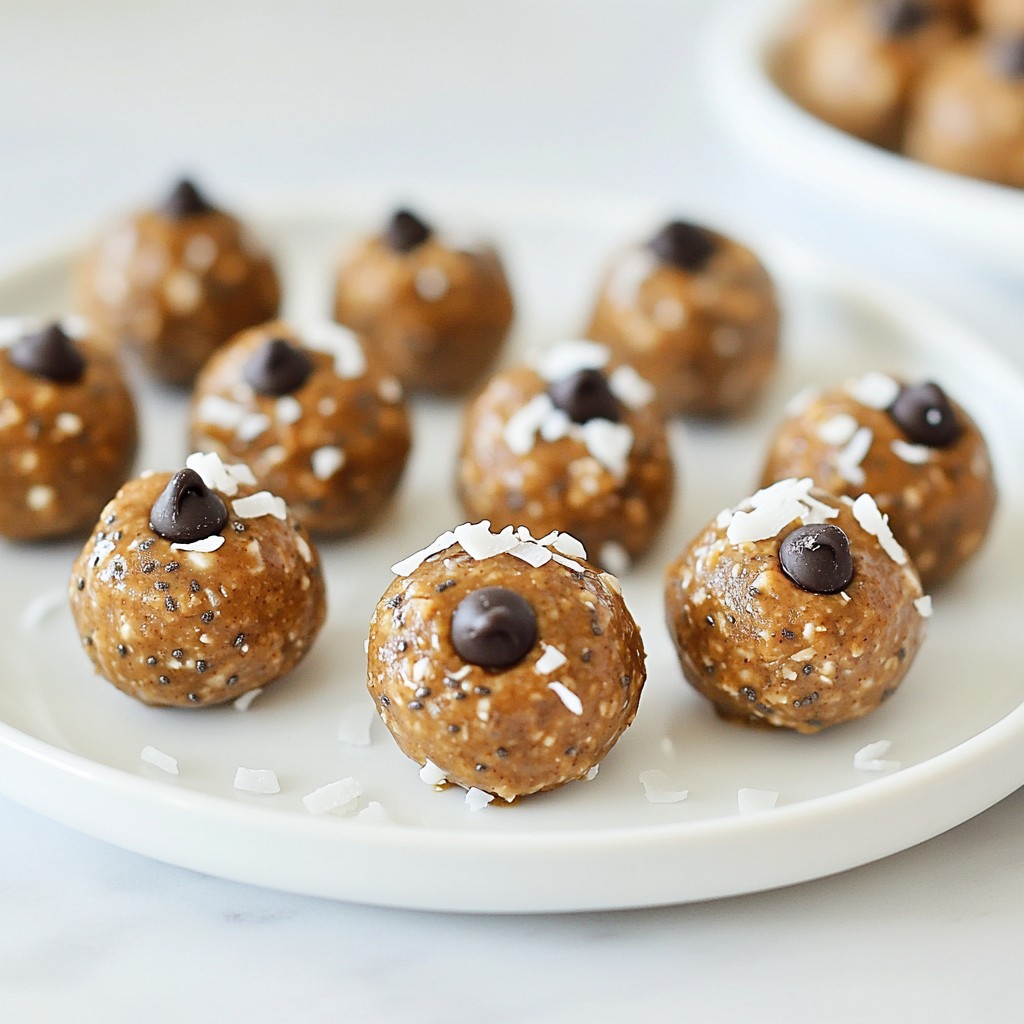
Mango Sticky Rice Pudding Delightful and Creamy Treat

WANT TO SAVE THIS RECIPE?

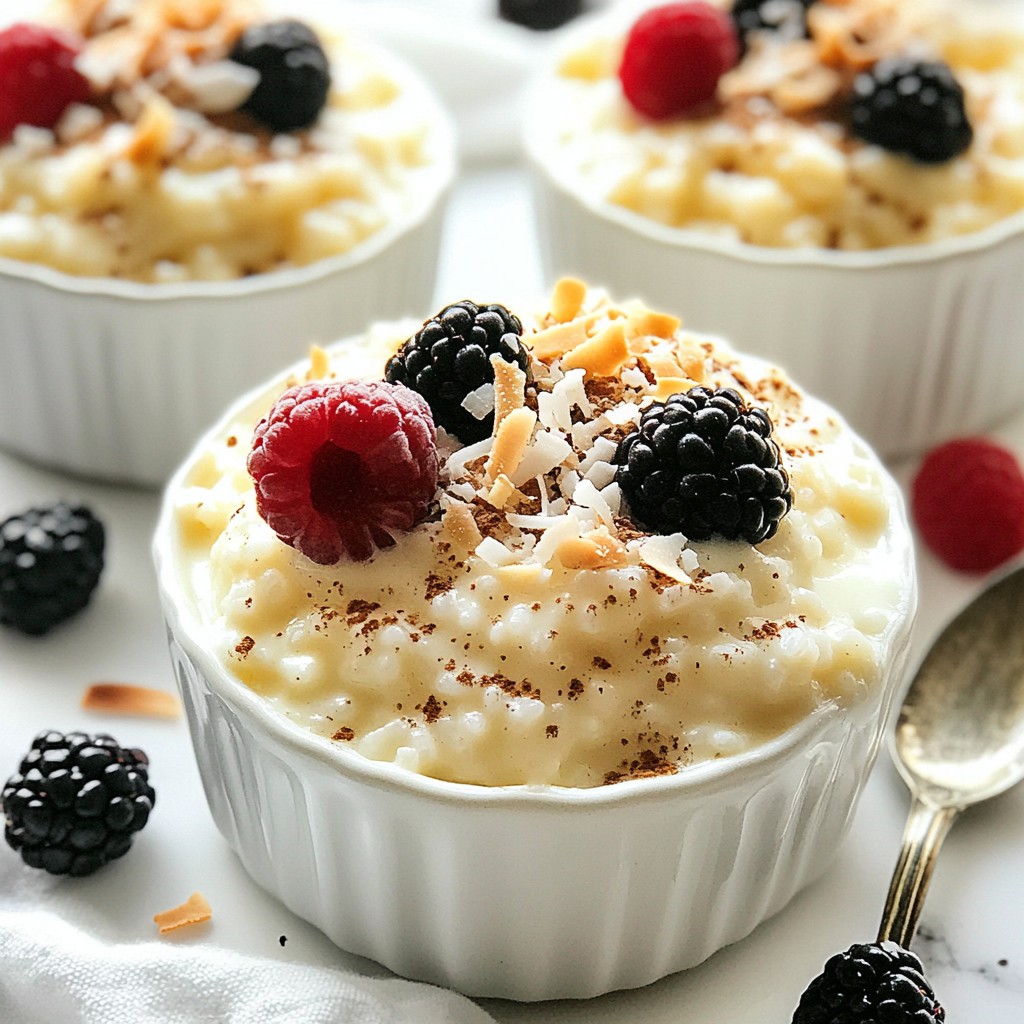
Mango Sticky Rice Pudding is a delightful and creamy treat that will amaze your taste buds. This classic dish combines sweet mango with rich coconut rice. You may think it’s complex, but I’ll guide you through easy steps. From choosing the best mangoes to perfecting the sticky rice, I’ve got you covered. Ready to indulge in this creamy delight? Let’s dive in and create a dessert that everyone will love!

Why I Love This Recipe

  1. Delicious Fusion: This dessert beautifully combines the sweetness of ripe mango with the creaminess of coconut milk, creating a tropical paradise in every bite.
  2. Simple Preparation: With just a few ingredients and straightforward steps, this recipe is perfect for both novice and experienced cooks alike.
  3. Customizable Delight: You can adjust the sweetness and toppings to suit your taste, making it a versatile dessert for any occasion.
  4. Impressive Presentation: The vibrant colors of mango and the sprinkle of sesame seeds create a visually stunning dish that’s sure to impress your guests.

Ingredients

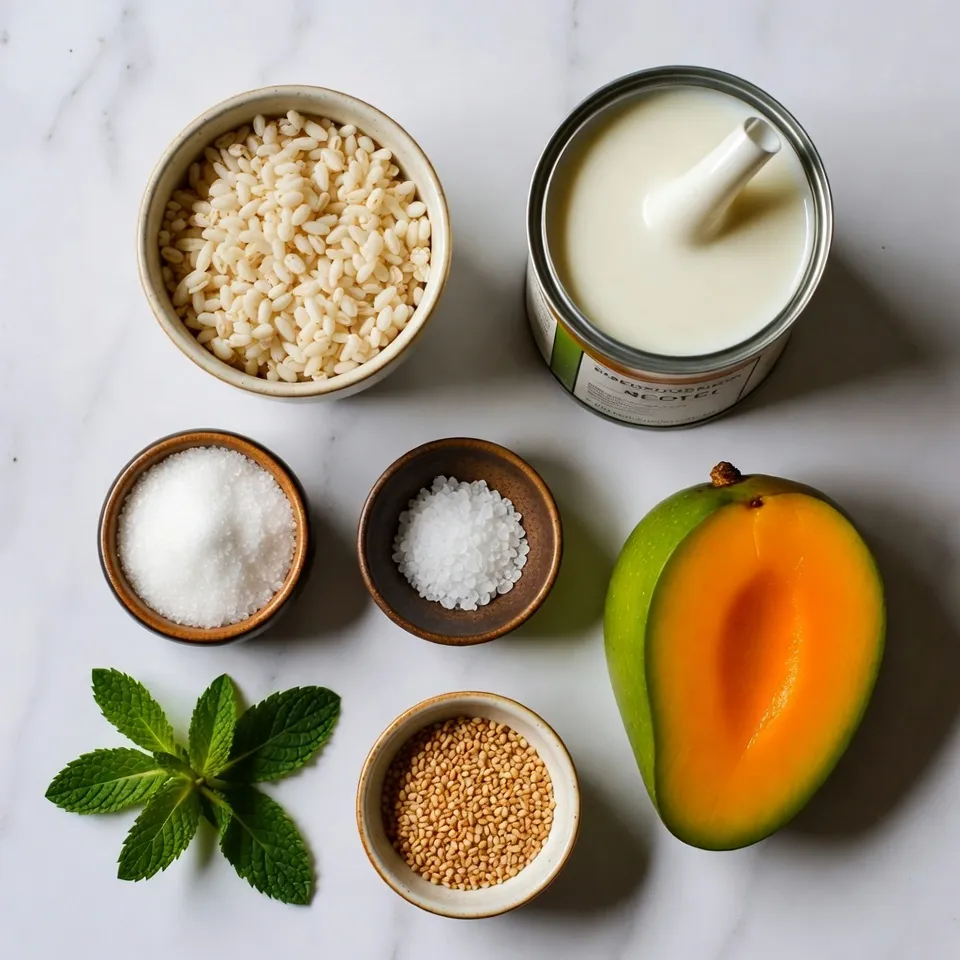
Main Ingredients for Mango Sticky Rice Pudding

Glutinous Rice

Glutinous rice is key to this dish. It gives the pudding its creamy and sticky texture. Use one cup for this recipe. Rinse it well to remove excess starch. This step helps the rice cook evenly.

Coconut Milk

Coconut milk adds richness to the pudding. One can, about 13.5 ounces, is perfect. Use it to soak the rice and mix it in later. It also provides a sweet, tropical flavor that pairs well with mango.

Sugar and Salt

These two ingredients balance the flavors. Use half a cup of sugar and a pinch of salt. The sugar sweetens the dish, while the salt enhances the taste. Mixing them into the coconut milk is a must for a creamy result.

Mango and Garnishes

A ripe mango is essential for topping the pudding. Peel and slice one mango for serving. It adds a fresh and juicy contrast. You can also add toasted sesame seeds and fresh mint leaves for decoration. These garnishes make the dish look appealing and add extra flavor.
Step-by-Step Instructions

Preparing the Glutinous Rice

Rinsing and Soaking Techniques

First, rinse the glutinous rice. Place it in a bowl and cover it with cold water. Swirl the rice around until the water is cloudy. Drain and repeat until the water runs clear. This step removes excess starch. After rinsing, soak the rice for at least 2 hours or overnight for best results. Soaking helps the rice cook evenly and become sticky.

Steaming Process

After soaking, drain the rice again. Next, fill your steamer with water and bring it to a boil. Line the steamer with cheesecloth or parchment paper. Spread the soaked rice in an even layer inside the steamer. Cover and steam for about 30 minutes. The rice should be tender and slightly sticky when done.

Making the Coconut Milk Mixture

Combining Ingredients

While the rice steams, make the coconut milk mixture. In a saucepan, combine one can of coconut milk, sugar, and salt. Stir this over medium heat. Make sure the sugar dissolves completely. Do not let it boil, as boiling can change the texture.

Importance of Temperature

Keep the coconut milk warm but not hot. This warmth helps the rice absorb the flavor better when combined later. Set aside about 1/3 cup of the mixture for serving.

Combining Rice and Coconut Milk

Absorption Techniques

Once the rice is cooked, transfer it to a large bowl. Pour the warm coconut milk mixture over the hot rice. Gently stir to combine. This step ensures the rice absorbs all the delicious coconut flavor.

Recommended Resting Time

Let the rice sit for about 15 to 20 minutes. This resting time allows the rice to fully soak up the coconut milk. The longer you let it rest, the creamier it becomes. Now you’re ready to serve!

Tips & Tricks

Selecting Ripe Mangoes

How to Choose the Best Mango

Choose mangoes that are slightly soft when you press them. Look for a rich yellow or orange color. The skin may have some dark spots, but that’s okay. Smell the stem area; a sweet scent means it’s ripe. Avoid mangoes that feel hard or are too green.

Seasonal Availability Tips

Mangoes are best from late spring to early summer. In most regions, they peak around June. However, you can often find good ones year-round. Check local markets for fresh, ripe mangoes.

Cooking Tips for Perfect Sticky Rice

Soaking Duration Recommendations

Soak glutinous rice for at least two hours. For even better results, soak it overnight. This helps the rice absorb water and cook evenly.

Avoiding Overcooking

When steaming, keep an eye on the time. About 30 minutes should be enough for perfect sticky rice. Check for tenderness, but don’t overcook it. Overcooked rice can become mushy and lose its texture.

Presentation Tips

Plating Suggestions

Serve the sticky rice in a bowl or on a plate. Place the mango slices next to the rice. Drizzle the reserved coconut milk on top for a beautiful look. Finish with a sprinkle of toasted sesame seeds.

Serving Temperature

Mango sticky rice tastes best warm. Let it cool slightly after cooking, but don’t serve it cold. Warm pudding and fresh mango create the perfect treat!

Pro Tips

  1. Perfectly Sticky Rice: Make sure to soak the glutinous rice for at least 2 hours or overnight to achieve the ideal sticky texture.
  2. Enhance Coconut Flavor: For a richer coconut taste, use full-fat coconut milk instead of light coconut milk.
  3. Mango Selection: Choose ripe, sweet mangoes for the best flavor; they should be slightly soft to the touch and fragrant.
  4. Serving Temperature: Serve the sticky rice warm to enhance the flavors, but allow it to cool slightly before adding the mango and coconut drizzle.

Variations

Flavor Variations

You can make mango sticky rice pudding even more fun by adding flavors. A great way to do this is by adding pandan extract or vanilla. Pandan gives a nice green color and a sweet taste. Just add a few drops to the coconut milk when you cook it. If you like vanilla, a teaspoon of vanilla extract works well too. The warm, creamy taste of vanilla mixes perfectly with mango.

You can also try adding other fruits. Some good choices are strawberries, bananas, or even dragon fruit. These fruits add color and taste to your dish. Simply slice them up and place them next to the mango slices on the plate. You can also mix them into the sticky rice for extra excitement.

Dietary Substitutions

If you want to make vegan mango sticky rice pudding, it’s easy! The main ingredients are already vegan. Just make sure the sugar you use is vegan-friendly. Some sugar can be processed with animal products, so check the label. This way, everyone can enjoy this dessert.

For gluten-free adjustments, mango sticky rice pudding is already gluten-free. The glutinous rice does not have gluten. Just ensure that all your ingredients, like coconut milk and sugar, are free from gluten. This makes it safe for those with gluten sensitivities.

Cultural Adaptations

In Thailand, different regions have their own ways of making mango sticky rice pudding. Some areas use different fruits or sweet sauces. Others might add more coconut cream for a richer taste. You can try these local twists for a new flavor experience!

You can also serve this dish in fun ways. Instead of a plate, try a banana leaf for a traditional look. You can even layer the rice and mango in a cup for a beautiful dessert. These little changes can make your presentation pop and impress your guests.

Storage Info

How to Store Leftover Sticky Rice

To keep your leftover sticky rice fresh, store it in an airtight container. Place it in the fridge right after it cools down. It stays good for a few days. If you want to save it longer, freezing is an option. Just make sure to wrap it tightly in plastic wrap before putting it in a freezer bag. This keeps out air and moisture.

Reheating Methods

When you’re ready to eat the sticky rice again, reheating is simple. The best way is to steam it. Place the rice in a steamer basket over boiling water. This method helps keep the rice moist and soft. If you don’t have a steamer, you can use a microwave. Just add a splash of water and cover it. This helps avoid dryness.

Shelf Life

In the fridge, your mango sticky rice pudding lasts about 3 to 5 days. Always check for signs of spoilage. If you see any mold or if it smells off, it’s best to throw it away. Freshness is key for enjoying this sweet treat!

FAQs

What is mango sticky rice pudding?

Mango sticky rice pudding is a sweet dish from Thailand. It features sticky rice, coconut milk, and fresh mango. This dish is loved for its creamy texture and bright flavor. In Thailand, it is often served during special occasions and festivals. It combines sweet and savory tastes, making it a delightful treat.

Can I make mango sticky rice pudding ahead of time?

Yes, you can prepare mango sticky rice pudding ahead of time. Cook the sticky rice and the coconut milk mixture one day before. Store them in the fridge separately. When you’re ready to serve, combine them and warm them gently. This way, the rice stays fresh and tasty.

Is mango sticky rice pudding gluten-free?

Yes, mango sticky rice pudding is gluten-free. The main ingredient, glutinous rice, does not contain gluten. Coconut milk and sugar are also gluten-free. This makes it a safe option for those with gluten sensitivities. Enjoy this dish without worry!

Mango sticky rice pudding is a delightful treat made with glutinous rice and coconut milk. We explored key ingredients and step-by-step instructions for perfect results. I shared tips on choosing ripe mangoes and variations to customize your dish. Storage and reheating methods help keep your pudding fresh.

Enjoy making this sweet, creamy dessert at home and impress your family or friends. With a few simple techniques, you can master a dish that celebrates both flavor and culture. Dive in, and savor every bit

- Glutinous Rice Glutinous rice is key to this dish. It gives the pudding its creamy and sticky texture. Use one cup for this recipe. Rinse it well to remove excess starch. This step helps the rice cook evenly. - Coconut Milk Coconut milk adds richness to the pudding. One can, about 13.5 ounces, is perfect. Use it to soak the rice and mix it in later. It also provides a sweet, tropical flavor that pairs well with mango. - Sugar and Salt These two ingredients balance the flavors. Use half a cup of sugar and a pinch of salt. The sugar sweetens the dish, while the salt enhances the taste. Mixing them into the coconut milk is a must for a creamy result. - Mango and Garnishes A ripe mango is essential for topping the pudding. Peel and slice one mango for serving. It adds a fresh and juicy contrast. You can also add toasted sesame seeds and fresh mint leaves for decoration. These garnishes make the dish look appealing and add extra flavor. {{ingredient_image_1}} Rinsing and Soaking Techniques First, rinse the glutinous rice. Place it in a bowl and cover it with cold water. Swirl the rice around until the water is cloudy. Drain and repeat until the water runs clear. This step removes excess starch. After rinsing, soak the rice for at least 2 hours or overnight for best results. Soaking helps the rice cook evenly and become sticky. Steaming Process After soaking, drain the rice again. Next, fill your steamer with water and bring it to a boil. Line the steamer with cheesecloth or parchment paper. Spread the soaked rice in an even layer inside the steamer. Cover and steam for about 30 minutes. The rice should be tender and slightly sticky when done. Combining Ingredients While the rice steams, make the coconut milk mixture. In a saucepan, combine one can of coconut milk, sugar, and salt. Stir this over medium heat. Make sure the sugar dissolves completely. Do not let it boil, as boiling can change the texture. Importance of Temperature Keep the coconut milk warm but not hot. This warmth helps the rice absorb the flavor better when combined later. Set aside about 1/3 cup of the mixture for serving. Absorption Techniques Once the rice is cooked, transfer it to a large bowl. Pour the warm coconut milk mixture over the hot rice. Gently stir to combine. This step ensures the rice absorbs all the delicious coconut flavor. Recommended Resting Time Let the rice sit for about 15 to 20 minutes. This resting time allows the rice to fully soak up the coconut milk. The longer you let it rest, the creamier it becomes. Now you're ready to serve! How to Choose the Best Mango Choose mangoes that are slightly soft when you press them. Look for a rich yellow or orange color. The skin may have some dark spots, but that’s okay. Smell the stem area; a sweet scent means it’s ripe. Avoid mangoes that feel hard or are too green. Seasonal Availability Tips Mangoes are best from late spring to early summer. In most regions, they peak around June. However, you can often find good ones year-round. Check local markets for fresh, ripe mangoes. Soaking Duration Recommendations Soak glutinous rice for at least two hours. For even better results, soak it overnight. This helps the rice absorb water and cook evenly. Avoiding Overcooking When steaming, keep an eye on the time. About 30 minutes should be enough for perfect sticky rice. Check for tenderness, but don’t overcook it. Overcooked rice can become mushy and lose its texture. Plating Suggestions Serve the sticky rice in a bowl or on a plate. Place the mango slices next to the rice. Drizzle the reserved coconut milk on top for a beautiful look. Finish with a sprinkle of toasted sesame seeds. Serving Temperature Mango sticky rice tastes best warm. Let it cool slightly after cooking, but don’t serve it cold. Warm pudding and fresh mango create the perfect treat! Pro Tips Perfectly Sticky Rice: Make sure to soak the glutinous rice for at least 2 hours or overnight to achieve the ideal sticky texture. Enhance Coconut Flavor: For a richer coconut taste, use full-fat coconut milk instead of light coconut milk. Mango Selection: Choose ripe, sweet mangoes for the best flavor; they should be slightly soft to the touch and fragrant. Serving Temperature: Serve the sticky rice warm to enhance the flavors, but allow it to cool slightly before adding the mango and coconut drizzle. {{image_2}} You can make mango sticky rice pudding even more fun by adding flavors. A great way to do this is by adding pandan extract or vanilla. Pandan gives a nice green color and a sweet taste. Just add a few drops to the coconut milk when you cook it. If you like vanilla, a teaspoon of vanilla extract works well too. The warm, creamy taste of vanilla mixes perfectly with mango. You can also try adding other fruits. Some good choices are strawberries, bananas, or even dragon fruit. These fruits add color and taste to your dish. Simply slice them up and place them next to the mango slices on the plate. You can also mix them into the sticky rice for extra excitement. If you want to make vegan mango sticky rice pudding, it's easy! The main ingredients are already vegan. Just make sure the sugar you use is vegan-friendly. Some sugar can be processed with animal products, so check the label. This way, everyone can enjoy this dessert. For gluten-free adjustments, mango sticky rice pudding is already gluten-free. The glutinous rice does not have gluten. Just ensure that all your ingredients, like coconut milk and sugar, are free from gluten. This makes it safe for those with gluten sensitivities. In Thailand, different regions have their own ways of making mango sticky rice pudding. Some areas use different fruits or sweet sauces. Others might add more coconut cream for a richer taste. You can try these local twists for a new flavor experience! You can also serve this dish in fun ways. Instead of a plate, try a banana leaf for a traditional look. You can even layer the rice and mango in a cup for a beautiful dessert. These little changes can make your presentation pop and impress your guests. To keep your leftover sticky rice fresh, store it in an airtight container. Place it in the fridge right after it cools down. It stays good for a few days. If you want to save it longer, freezing is an option. Just make sure to wrap it tightly in plastic wrap before putting it in a freezer bag. This keeps out air and moisture. When you’re ready to eat the sticky rice again, reheating is simple. The best way is to steam it. Place the rice in a steamer basket over boiling water. This method helps keep the rice moist and soft. If you don't have a steamer, you can use a microwave. Just add a splash of water and cover it. This helps avoid dryness. In the fridge, your mango sticky rice pudding lasts about 3 to 5 days. Always check for signs of spoilage. If you see any mold or if it smells off, it’s best to throw it away. Freshness is key for enjoying this sweet treat! Mango sticky rice pudding is a sweet dish from Thailand. It features sticky rice, coconut milk, and fresh mango. This dish is loved for its creamy texture and bright flavor. In Thailand, it is often served during special occasions and festivals. It combines sweet and savory tastes, making it a delightful treat. Yes, you can prepare mango sticky rice pudding ahead of time. Cook the sticky rice and the coconut milk mixture one day before. Store them in the fridge separately. When you’re ready to serve, combine them and warm them gently. This way, the rice stays fresh and tasty. Yes, mango sticky rice pudding is gluten-free. The main ingredient, glutinous rice, does not contain gluten. Coconut milk and sugar are also gluten-free. This makes it a safe option for those with gluten sensitivities. Enjoy this dish without worry! Mango sticky rice pudding is a delightful treat made with glutinous rice and coconut milk. We explored key ingredients and step-by-step instructions for perfect results. I shared tips on choosing ripe mangoes and variations to customize your dish. Storage and reheating methods help keep your pudding fresh. Enjoy making this sweet, creamy dessert at home and impress your family or friends. With a few simple techniques, you can master a dish that celebrates both flavor and culture. Dive in, and savor every bite.

Mango Sticky Rice Pudding

A delicious Thai dessert made with glutinous rice, coconut milk, and ripe mango.
Prep Time 15 minutes
Cook Time 45 minutes
Total Time 1 hour
Course Dessert
Cuisine Thai
Servings 4
Calories 300 kcal

Ingredients
  

  • 1 cup glutinous rice
  • 1 can coconut milk (13.5 oz)
  • 1/2 cup sugar
  • 1/4 teaspoon salt
  • 1 ripe mango peeled and sliced
  • 2 tablespoons sesame seeds (toasted)
  • to taste fresh mint leaves (for garnish)

Instructions
 

  • Rinse the glutinous rice under cold water until the water runs clear. Soak it in water for at least 2 hours or overnight for best results.
  • Drain the soaked rice and transfer it to a steamer lined with cheesecloth or parchment paper. Steam for about 30 minutes, or until the rice is tender and slightly sticky.
  • While the rice is steaming, combine the coconut milk, sugar, and salt in a saucepan over medium heat. Stir until the sugar is dissolved, but do not let it boil. Reserve about 1/3 cup of the coconut milk mixture for serving.
  • Once the rice is cooked, transfer it to a large bowl and pour the remaining coconut milk mixture over the hot rice. Stir gently to combine, ensuring the rice absorbs the coconut flavor. Let it sit for about 15-20 minutes.
  • To serve, place a generous scoop of the sticky rice pudding on a plate. Fan out the mango slices beside it, drizzling with the reserved coconut milk.
  • Sprinkle toasted sesame seeds over the top and garnish with fresh mint leaves for a pop of color and flavor.

Notes

Soaking the rice overnight yields the best results.
Keyword coconut milk, dessert, mango, sticky rice

WANT TO SAVE THIS RECIPE?

Leave a Comment

Recipe Rating